
Articles
Understanding Menstruation: A Guide for Daughters and Parents
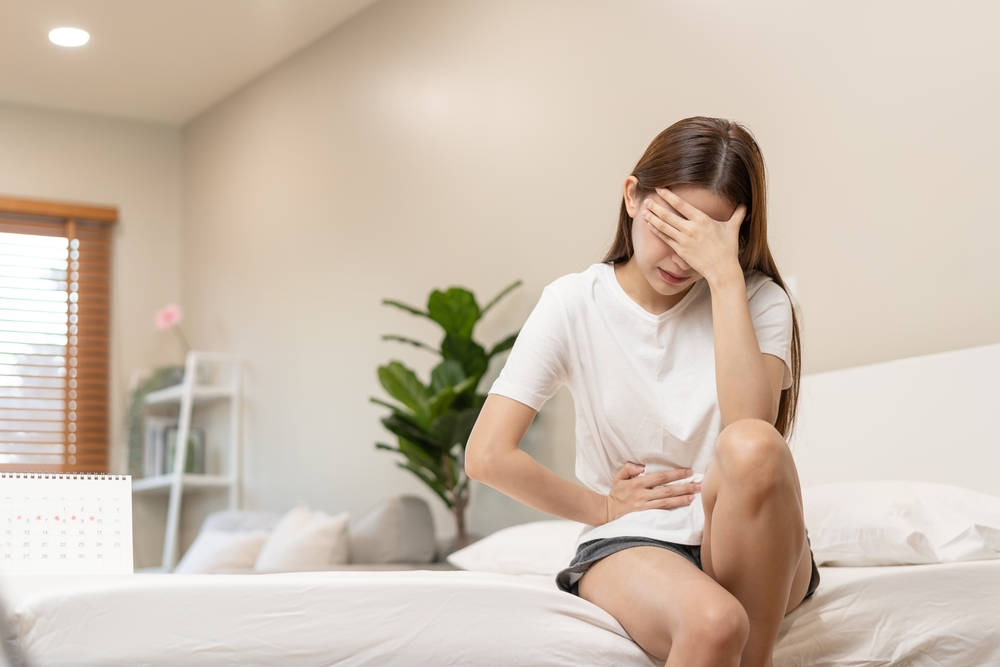 Navigating the preteen years can be challenging, especially when it comes to understanding the changes that happen during puberty. One significant milestone for girls is the start of menstruation, often called a period. At Goldsboro Pediatrics, we’re here to help families better understand this natural process and how to support girls as they adjust to this new phase of life.
What Is Menstruation?
Menstruation is a normal biological process where the uterus sheds its lining, resulting in blood and tissue exiting the body through the vagina. This cycle typically occurs every 21 to 35 days and lasts about three to seven days. Most girls experience their first period, or menarche, between the ages of 10 and 15, though it can happen earlier or later depending on individual development.
- Signs a Period Is Coming
- Breast development: One of the earliest signs of puberty.
- Growth spurts: One of the earliest signs of puberty.
- Vaginal discharge: One of the earliest signs of puberty.
- Mood changes: One of the earliest signs of puberty.
Parents and teens may notice some signs indicating that menstruation is about to begin. These may include:
- How to Prepare for the First Period
It’s essential for girls to feel prepared and supported as they approach their first period. Here are some steps families can take:
1. Talk Openly: One of the earliest signs of puberty.
2. Educate About Menstrual Products: One of the earliest signs of puberty.
3. Prepare a Period Kit: One of the earliest signs of puberty.
4. Discuss Symptoms: One of the earliest signs of puberty.
- Managing Menstrual Health
- Track Their Cycle: Use a calendar or a period-tracking app to monitor the timing and symptoms of their periods.
- Stay Hygienic: Change pads or tampons regularly to prevent odor and infections. Wash the genital area daily with mild soap and water.
- Eat a Balanced Diet: Iron-rich foods can help replenish lost nutrients during menstruation, while staying hydrated and eating fiber can ease bloating.
- Stay Active: Moderate exercise can reduce cramps and improve mood..
Maintaining good menstrual health is vital for overall well-being. Encourage girls to:
- Addressing Common Concerns
Irregular Periods: It’s normal for cycles to be irregular during the first couple of years. However, if periods are extremely heavy, painful or absent for more than three months, consult your pediatrician at Goldsboro Pediatrics.
Emotional Changes: Hormonal shifts can cause mood swings or irritability. Encourage teens to practice stress-reducing activities like journaling, mindfulness or talking to a trusted adult.
Sports and Activities: Periods shouldn’t stop them from participating in activities. Tampons or menstrual cups can offer discreet protection during physical activities like swimming.
Young ladies and parents may have questions or concerns about menstruation. Here are some common ones:
- When to See a Doctor
- Extremely painful cramps that don’t improve with over-the-counter medication
- Heavy bleeding that soaks through a pad or tampon every hour for several hours
- Periods lasting longer than seven days
- No period by age 16 or two years after breast development begins
While most period-related issues are manageable, certain symptoms may require medical attention:
Supporting Your Child
Menstruation is a natural part of growing up, but it can feel overwhelming for teens. Offering reassurance, empathy and guidance can make all the difference. Remind them that everyone’s journey is unique and it’s okay to ask for help.
Goldsboro Pediatrics is committed to supporting families through every stage of development. If you have concerns or questions about your daughter’s menstrual health, don’t hesitate to schedule an appointment with our team. She may be more willing to speak with a nurse or doctor about questions or concerns. Together, we can ensure your child feels confident and informed about her health.
Sources:
Mayo Clinic
Children’s Health Hub
University of Chicago Medicine
Back to Archive